Featured
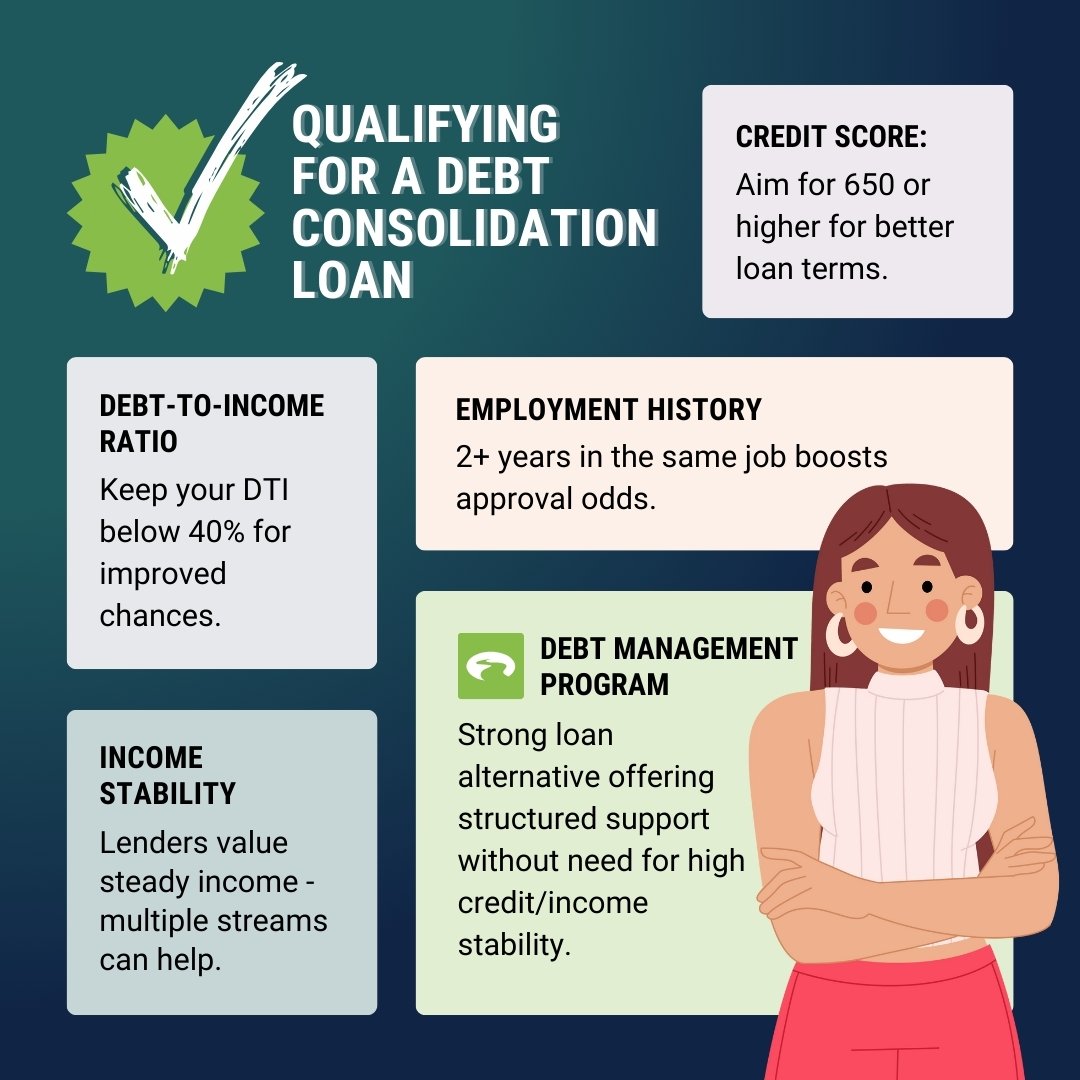
Table of Contents
An approach you follow beats a technique you desert. Missed out on payments create charges and credit damage. Set automatic payments for every single card's minimum due. Automation safeguards your credit while you focus on your chosen payoff target. By hand send out extra payments to your priority balance. This system lowers tension and human error.
Look for sensible adjustments: Cancel unused memberships Minimize impulse costs Cook more meals at home Offer products you don't utilize You don't need extreme sacrifice. Even modest additional payments compound over time. Think about: Freelance gigs Overtime moves Skill-based side work Selling digital or physical products Deal with additional earnings as debt fuel.
Consider this as a momentary sprint, not an irreversible way of life. Financial obligation reward is emotional as much as mathematical. Numerous plans fail because motivation fades. Smart psychological techniques keep you engaged. Update balances monthly. Seeing numbers drop strengthens effort. Paid off a card? Acknowledge it. Small rewards sustain momentum. Automation and routines decrease decision tiredness.
Leveraging Digital Estimation Tools in 2026
Behavioral consistency drives successful credit card financial obligation payoff more than best budgeting. Call your credit card provider and ask about: Rate decreases Difficulty programs Promotional offers Numerous loan providers choose working with proactive customers. Lower interest implies more of each payment strikes the principal balance.
Ask yourself: Did balances shrink? Did costs stay managed? Can extra funds be redirected? Change when required. A flexible plan endures reality better than a stiff one. Some situations require additional tools. These options can support or replace traditional reward techniques. Move financial obligation to a low or 0% intro interest card.
Combine balances into one set payment. This simplifies management and may lower interest. Approval depends upon credit profile. Not-for-profit companies structure repayment plans with lending institutions. They provide accountability and education. Negotiates lowered balances. This carries credit consequences and fees. It suits serious difficulty circumstances. A legal reset for overwhelming financial obligation.
A strong financial obligation technique U.S.A. families can rely on blends structure, psychology, and flexibility. You: Gain complete clearness Prevent new financial obligation Pick a proven system Safeguard versus problems Preserve inspiration Adjust tactically This layered method addresses both numbers and habits. That balance develops sustainable success. Financial obligation benefit is hardly ever about severe sacrifice.
Finding Complete Financial Freedom Through Smart Planning
Paying off credit card debt in 2026 does not need perfection. It needs a clever plan and constant action. Each payment minimizes pressure.
The smartest relocation is not waiting on the best minute. It's starting now and continuing tomorrow.
It is impossible to know the future, this claim is.

Over 4 years, even would not suffice to pay off the debt, nor would doubling revenue collection. Over 10 years, settling the financial obligation would require cutting all federal costs by about or boosting income by two-thirds. Presuming Social Security, Medicare, and defense costs are exempt from cuts constant with President Trump's rhetoric even removing all staying costs would not settle the financial obligation without trillions of extra earnings.
Guide to Credit Education in 2026
Through the election, we will issue policy explainers, truth checks, budget ratings, and other analyses. We do not support or oppose any prospect for public workplace. At the beginning of the next presidential term, debt held by the public is most likely to amount to around $28.5 trillion. It is predicted to grow by an extra $7 trillion over the next governmental term and by $22.5 trillion through the end of Fiscal Year (FY) 2035.
To achieve this, policymakers would need to turn $1.7 trillion average annual deficits into $7.1 trillion yearly surpluses. Over the ten-year spending plan window beginning in the next presidential term, spanning from FY 2026 through FY 2035, policymakers would need to attain $51 trillion of budget plan and interest cost savings enough to cover the $28.5 trillion of preliminary financial obligation and avoid $22.5 trillion in debt build-up.
How to Stay Debt-Free After Completing a ProgramIt would be literally to pay off the debt by the end of the next presidential term without big accompanying tax boosts, and most likely difficult with them. While the required cost savings would equate to $35.5 trillion, overall costs is predicted to be $29 trillion over that four-year duration of which $4 trillion is interest and can not be cut straight.

Comparing Repayment Terms On Consolidation Plans for 2026
(Even under a that assumes much quicker economic growth and considerable new tariff income, cuts would be nearly as big). It is likewise likely impossible to accomplish these cost savings on the tax side. With overall revenue expected to come in at $22 trillion over the next governmental term, revenue collection would need to be almost 250 percent of current projections to pay off the nationwide debt.
How to Stay Debt-Free After Completing a ProgramIt would need less in annual cost savings to pay off the national financial obligation over 10 years relative to 4 years, it would still be nearly difficult as a useful matter. We estimate that settling the debt over the ten-year budget plan window between FY 2026 and FY 2035 would need cutting spending by about which would lead to $44 trillion of main spending cuts and an additional $7 trillion of resulting interest cost savings.
The task ends up being even harder when one thinks about the parts of the budget plan President Trump has taken off the table, in addition to his call to extend the Tax Cuts and Jobs Act (TCJA). For example, President Trump has actually devoted not to touch Social Security, which indicates all other spending would need to be cut by nearly 85 percent to completely remove the national debt by the end of FY 2035.
If Medicare and defense spending were likewise exempted as President Trump has in some cases for costs would need to be cut by nearly 165 percent, which would undoubtedly be impossible. To put it simply, investing cuts alone would not suffice to pay off the national financial obligation. Enormous boosts in revenue which President Trump has generally opposed would likewise be needed.
Proven Ways to Clear Balances in 2026
A rosy situation that integrates both of these does not make paying off the debt much simpler.
Notably, it is extremely unlikely that this earnings would emerge., attaining these 2 in tandem would be even less likely. While no one can understand the future with certainty, the cuts needed to pay off the debt over even 10 years (let alone four years) are not even close to realistic.

Latest Posts

Improving Personal Literacy With Effective Debt Management

The Comprehensive Review of Current Credit Relief
Official Property Counseling in 2026